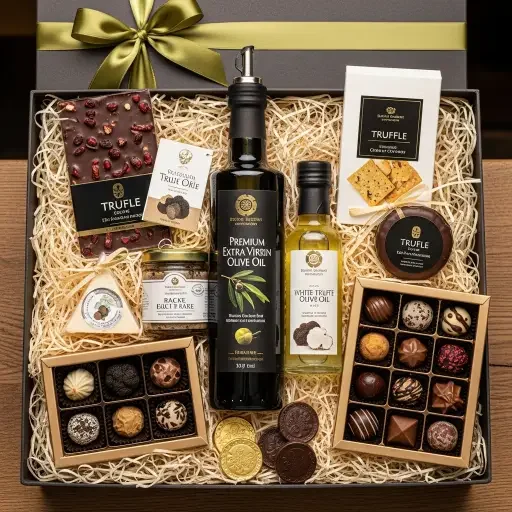
In the grocery aisle, hype circles like a swarm of bees—shiny jars, glossy boxes, tokens of prestige that promise to elevate a kitchen into a studio. This piece refuses the carnival. It inventories what endures: 17 gourmet gifts that chefs themselves lean into, not because they shout loudest, but because they deliver flavor with restraint, utility with imagination, and narratives that outlive the next seasonal drop. Think of these as asset classes for the home pantry: liquid gold, shelf-stable umami, and small joys that compound with repeat use.
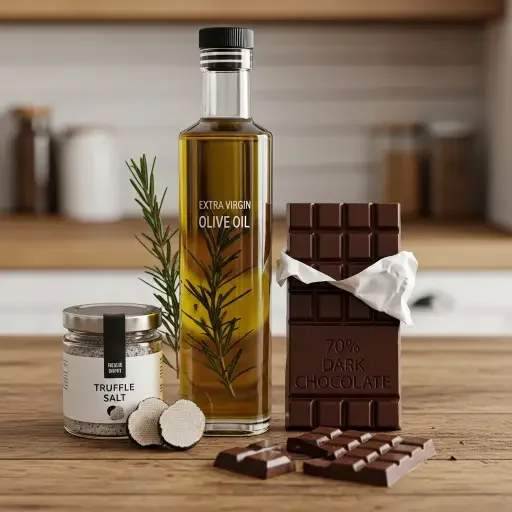
The first principle is scarcity with clarity: a few items that do a lot of work. The list begins with fundamental building blocks—concentrated flavors and resilient ingredients—then spirals outward to experience-driven luxuries that still respect a kitchen’s throughput.
Specifically, the 17 picks are grouped by role in the culinary workflow: foundational seasonings, versatile oils, bright accents, and finishers that transform simple dishes into conversations.
Anchor purchases: foundational seasonings that compound value
- Finishing salt from a boutique source. Not merely salt, but crystals tuned for texture and a final crack of flavor that won’t dissolve in the heat. It’s the difference between “seasoned” and “seasoning as a statement.”
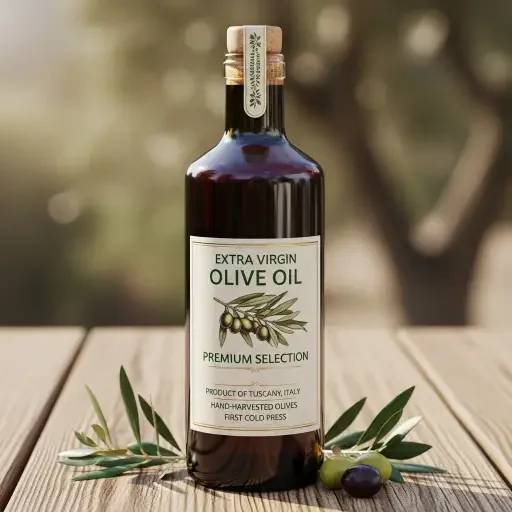
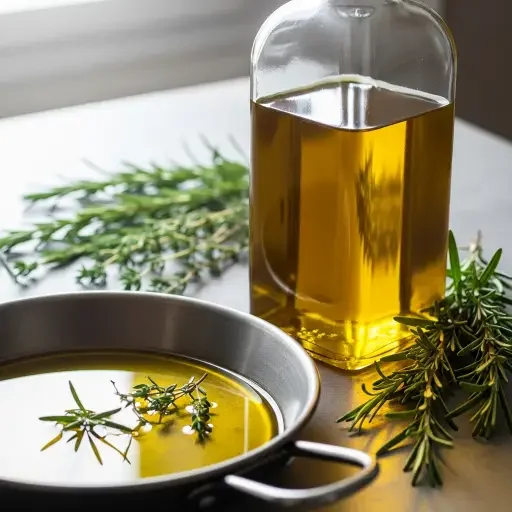
- A scented, high-terroir olive oil. The single-ingredient ally that carries dressings, broths, and a warm finish on vegetables. Price-per-use matters; impact per drop is the metric.
- A small batch miso or tamari with deep umami. A pantry shortcut that unlocks depth in broths, glazes, and marinades without improvisation.
- A flavored vinegar with tang and aroma. It’s acid with a map—bright, not brute, used to train the palate away from one-note acidity toward balanced brightness.
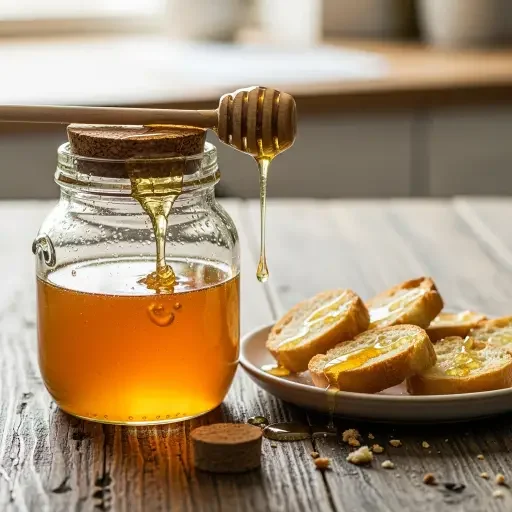
Foundational fats and sweeteners, steady under pressure 5) Cocoa nibs or a bitter cacao dust for finishing. Not dessert-only; the nibs wake through texture and roast in savory applications as well. 6) A premium honey or syrup, chosen for floral or mineral notes. It’s a small-scale investment that pays off in layered sweetness without overpowering.
- A line of preserved lemons or citrus jam. These are memory agents—sudden brightness folded into lazy weeknight cooking and ambitious sauces alike.
- A high-quality vanilla or spice blend that travels beyond dessert. Used sparingly, it reframes chocolate, coffee, and dairy into complex profiles.
Versatile oils and vinegars for weeknight to weekend 9) A citrus-infused oil (or orange zest oil) that loosens fat and heightens aromatics in greens, grains, and seafood. 10) A vinegarette-friendly red wine or sherry vinegar. This is the backbone of quick vinaigrettes and pan sauces—acid that sings, not shouts.
- A pepper blend with a kick—black peppercorns that feel alive when ground, not dull flakes from a grinder. Pepper is the fitness tracker of flavor: it measures the day’s progress.
- A couple of jars of sun-dried tomatoes or roasted peppers with olive oil. They deliver a sun-soaked brightness when time and appetite lag.
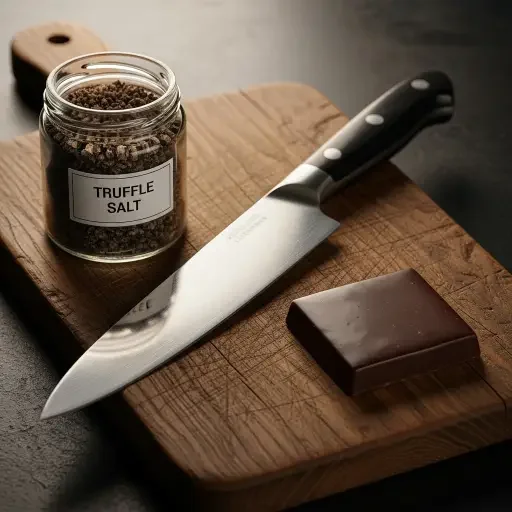
Objects that inspire: rare-but-usable luxuries 13) Truffle salt (or a cautious truffle oil) for a sheen of luxury that won’t derail weeknight meals. Use judiciously to avoid scent fatigue. 14) A premium chocolate bar with region-specific cacao. Not for kids; for adults who want a memory as a finish to a long day.
- A small-batch mustard or hot sauce with regional personality. Condiments that tell a story without shouting over the pan.
- A boxed set of artisanal jams or fruit compotes. They become breakfast upgrades, pastry accents, and pantry amuse-bouches.
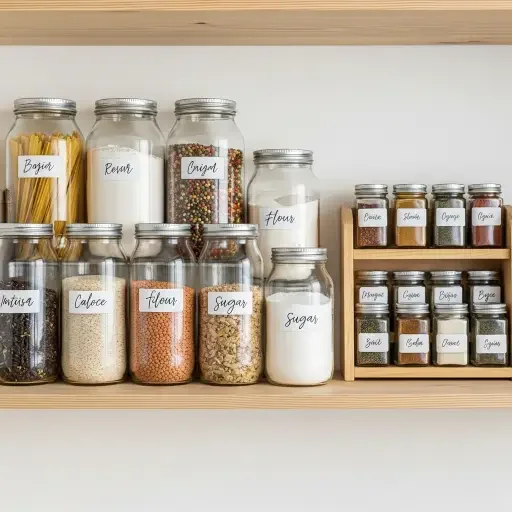
The final lift: chef-approved kits that anchor creativity 17) A compact mise en place kit or a chef-friendly spice blend set. These are not toys; they are the scaffolding for serious cooking—organized, repeatable, and portable.
Consider the choosing logic as a memo for the kitchen’s future: value accrues where utility meets memory. A bottle of premium olive oil that lasts months, a miso that flavors a dozen sauces, a salt that finishes a dish with a twist—these are not one-off splurges; they are investments in taste memory, taste confidence, and culinary leverage.
How to buy without vanity creep
- Prioritize items that pair with your existing repertoire. If you already cook with miso and citrus, add a complementary vinegar or oil rather than a duplicate flavor.
- Favor size and shelf stability. Gifts that endure in quality and in time yield higher utility per dollar.
- Embrace storytelling as value. The best gifts carry provenance—terroir, producer, and technique—that turn a simple purchase into a shared memory.
The heart of the list is not novelty alone; it’s the negotiation between novelty and know-how. These 17 items function as a balanced portfolio: a few rock-solid foundations, a handful of flexible finishers, and several narrative anchors that give a kitchen a voice.
If you’re assembling a gift guide for a readership that reads kitchens like markets, the test is this: do these items reduce cognitive load while expanding flavor possibility? Do they accelerate the reader’s sense of what is worth owning, not merely what is trendy? The answer, in chef’s language, is a precise, well-reported yes.
Recap in a single line: curate fundamental ingredients that compound value with every use, season the imagination with rare luxuries, and finish with stories that turn meals into memory.
Therefore: approach gourmet gifting as a strategic asset—flavor-forward, utility-rich, and narratively legible to the kitchen’s most exacting minds.

Endnote: this is more than a list—it’s a calibrated approach to thoughtful abundance. In a world chasing the next release, these 17 gifts anchor the palate, the palate’s memory, and the chef’s access to consistent, confident flavor. The kitchen, after all, is a speculative enterprise with the surest hedge: quality, repeatability, and a story you can taste.
Tags
Related Articles
Sources
Chef interviews, product catalogs, industry reviews, and historical notes on terroir-driven ingredients