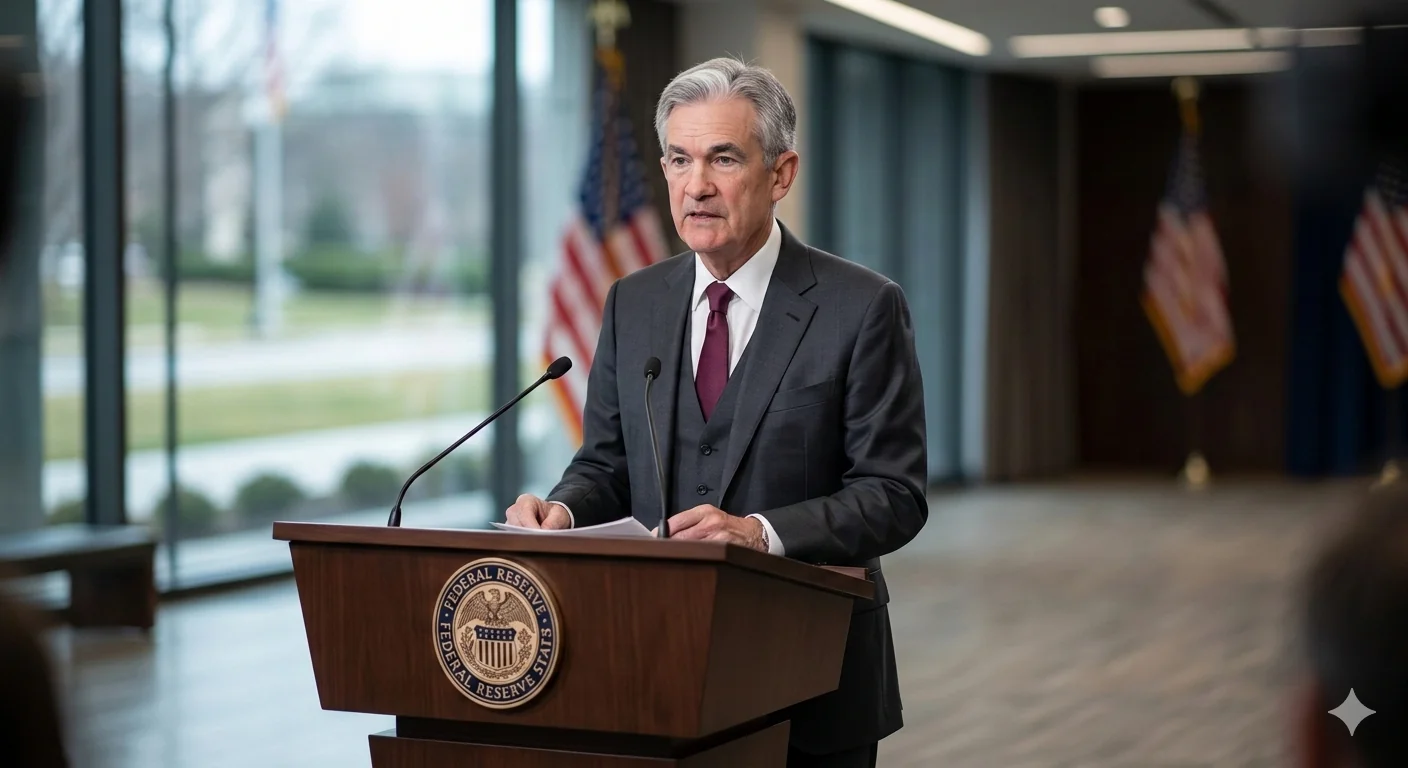
The Department of Justice opened a criminal inquiry into Federal Reserve Chair Jerome Powell in January, nominally over his June 2025 Senate testimony about the Fed’s $2.5 billion headquarters renovation. Federal prosecutors, working under U.S. Attorney Jeanine Pirro, served the Fed with grand jury subpoenas. Powell’s response was immediate and unusually direct. The investigation, he said in a public statement, was not about a building. “The threat of criminal charges is a consequence of the Federal Reserve setting interest rates based on our best assessment of what will serve the public, rather than following the preferences of the President.”
A federal judge agreed with that characterization last week. U.S. District Judge James Boasberg threw out both subpoenas, writing that “there is abundant evidence that the subpoenas’ dominant (if not sole) purpose is to harass and pressure Powell either to yield to the President or to resign and make way for a Fed Chair who will.” The evidentiary support for the subpoenas, Boasberg found, amounted to “essentially zero.” Pirro called the ruling “outrageous” and said she would appeal.
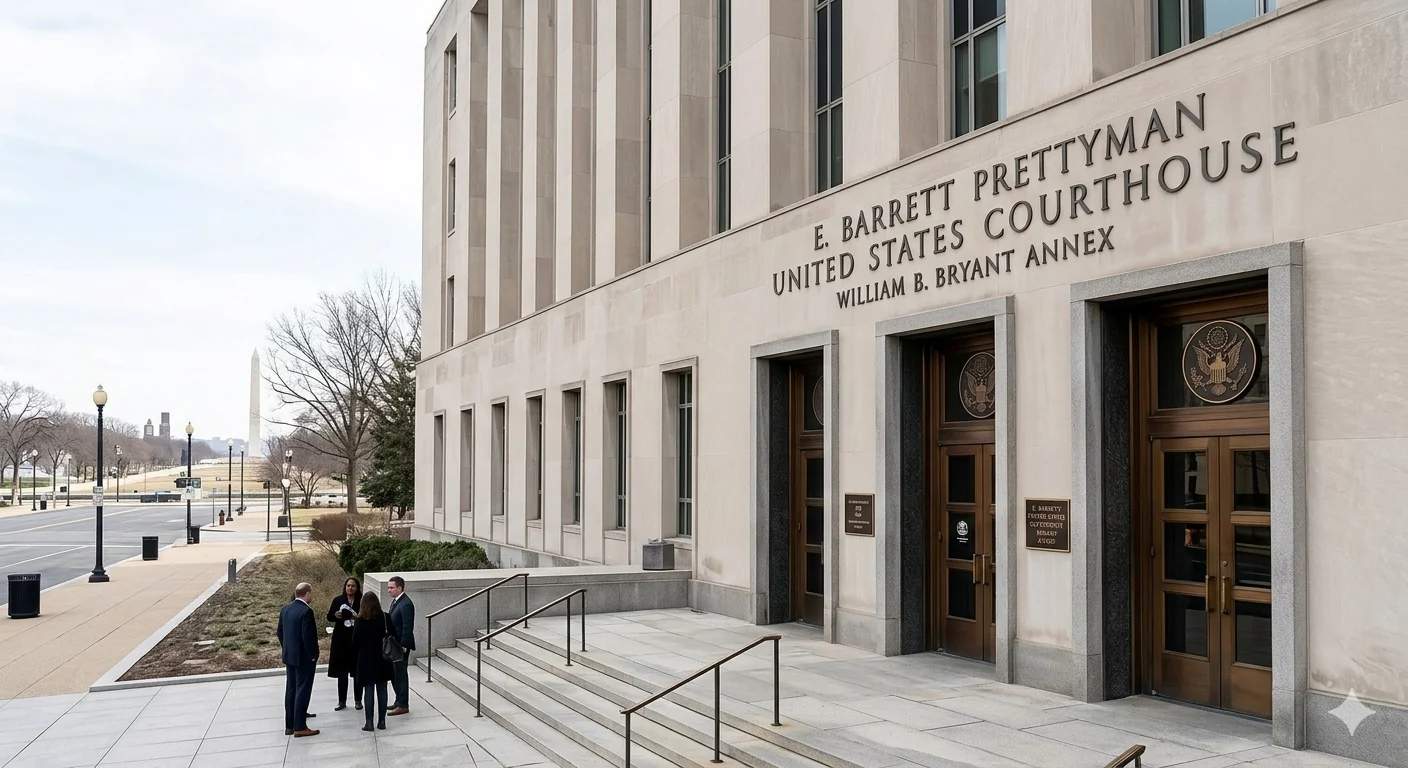
Trump Reaffirms the Probe on Thursday
Standing in the Oval Office on Thursday, Trump told reporters he backed the investigation, repeating claims that the renovation cost “hundreds of billions of dollars more than it’s supposed to cost.” The verified figure is $2.5 billion—considerably below both the $4 billion Trump has cited in recent weeks and nowhere near the “hundreds of billions” asserted Thursday. Powell’s chairmanship expires May 15.
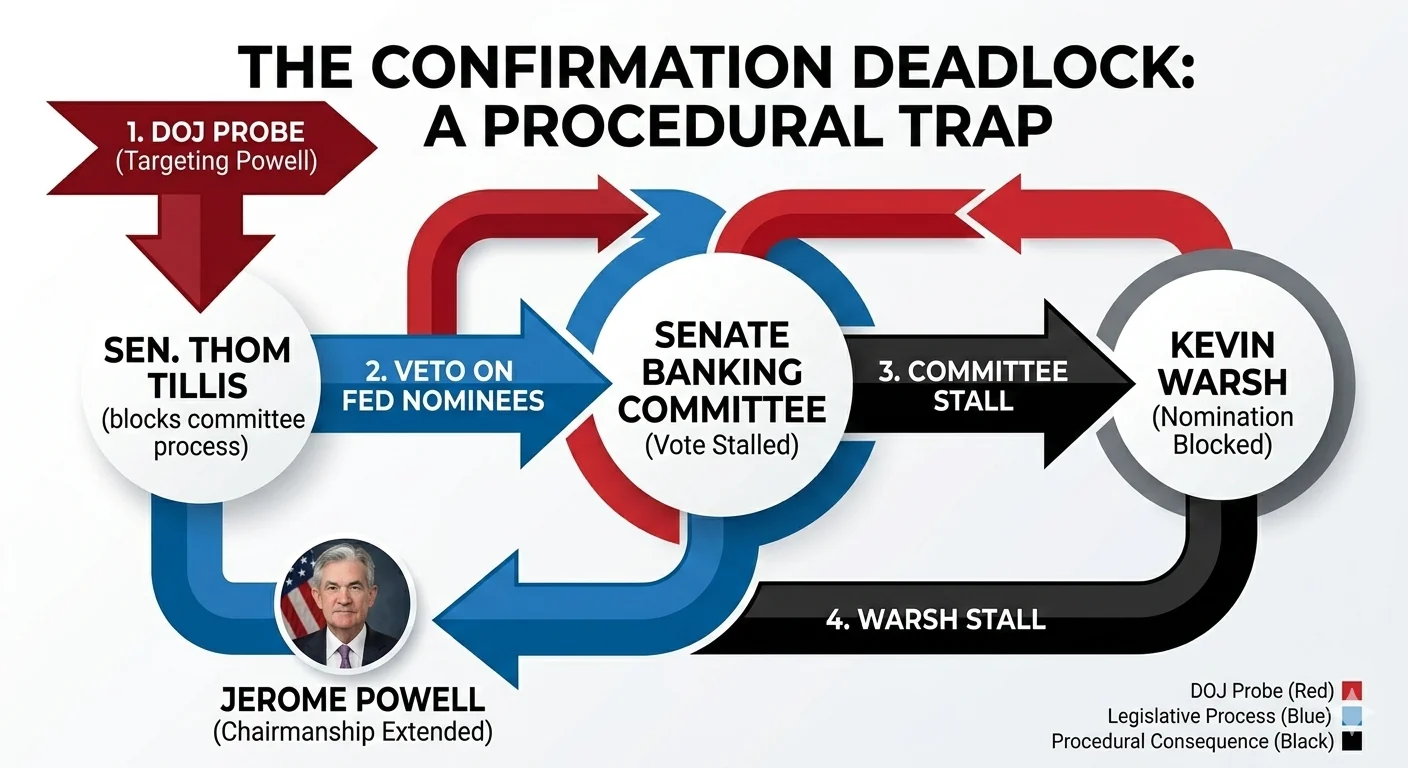
The self-defeating mechanics of the administration’s position have now become visible to the people who most need Warsh confirmed. Trump’s nominee to succeed Powell, former Fed official Kevin Warsh, cannot advance through the Senate Banking Committee because Sen. Thom Tillis—a Republican from North Carolina—has blocked the committee from moving forward on any Fed nominees until the DOJ drops the probe. Democrats on the committee are uniformly opposed to advancing Warsh on other grounds. Tillis’s single vote creates an effective veto. When asked Thursday about the delay this creates for Warsh, Pirro told reporters: “I don’t even know who he is. Politics is not the lane I’m in right now.”
Powell’s Counter-Move
At his Wednesday press conference, Powell closed the remaining exits. He said he would remain as chair of the rate-setting Federal Open Market Committee after May 15 if no successor has been confirmed, citing his authority under the Federal Reserve Act. He went further, adding a second condition: he would stay on the board of governors—where his term runs until 2028—until the investigation concluded “with transparency and finality.” If Pirro’s appeal proceeds through the courts, that phrase creates a timeline measured in months, not weeks.
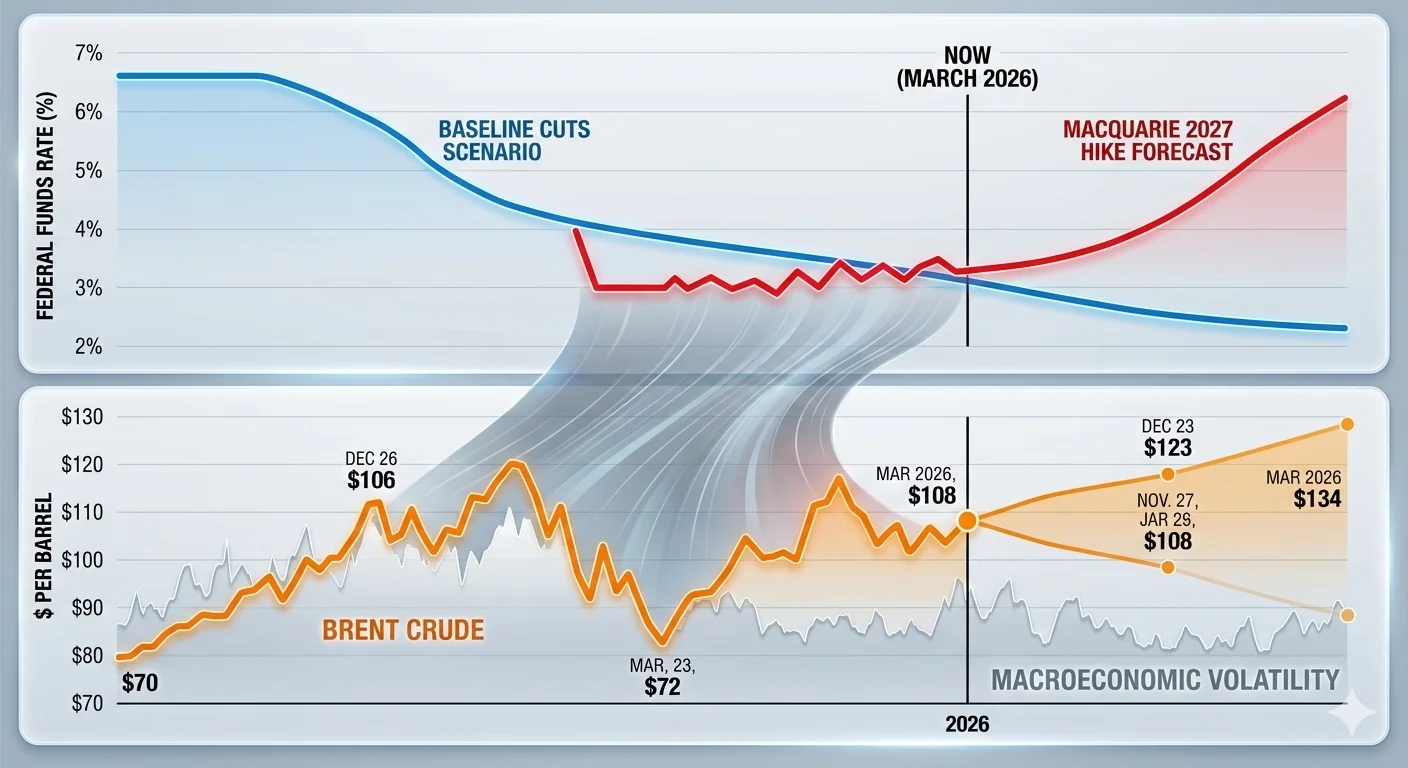
The consequence is a Federal Reserve operating under sustained institutional uncertainty at a moment of maximum macroeconomic complexity. Brent crude settled above $108 on Thursday; oil at those levels complicates any rate-cutting scenario and builds the case for tighter policy. Macquarie, writing before Thursday’s Oval Office remarks, forecasts the Fed’s next move is a hike, pushed to the first half of 2027. The Fed is on hold. Powell is staying. Warsh is blocked. The oil shock from the Iran conflict is compressing whatever room the FOMC had left on the rate path.
Procedural Deadlock
The probe was built as leverage. Powell’s response has converted that leverage into a procedural deadlock he controls, not the administration. He cannot be fired without a Supreme Court ruling that contradicts existing precedent—the court is already hearing a related case involving Fed Governor Lisa Cook. His board term extends beyond the chairmanship. And the investigation itself is now the legal mechanism he can cite to justify continued service.
Trump’s campaign to bend Fed policy has run longer than a year. It has included public insults, repeated firing threats, an attempt to remove a sitting board member on unsubstantiated grounds, and now a criminal probe that a federal judge characterized as a harassment operation. What it has not produced is lower interest rates. As of Wednesday’s press conference, Powell appears unmoved—and, as of Thursday’s court posture, he may be legally unmovable.
Tags
Related Articles
Sources
Axios, NPR, PBS NewsHour, NBC News, CNBC, AP, CNN, Federal Reserve Board (powell20260111a.htm), The Columbian